The word pesticide is misunderstood, nearly to the same extent as the word chemical. People have been led to believe, largely by the organic food industry and environmental activists, that pesticides are unnatural, dangerous, and do not belong in the food supply. But this defies a basic understanding of biology.
A pesticide is any chemical, natural or human-made, that is designed to kill another organism.
Using that broad definition, there are probably hundreds of thousands of pesticides in the natural environment. As it turns out, biological warfare was invented and perfected by Mother Nature.
For example, some bacteria and fungi produce antibiotics to kill other microbes. We don’t call these antibiotics “pesticides,” but that’s exactly what they are. To a bacterial cell, a microbe of a different species is often nothing more than a competitive pest that should die. So, it produces chemicals with the intention of killing it. That’s a pesticide.
Plants do the same thing. From a plant’s point of view, many insects are nothing more than dangerous, leaf-eating parasites that should die. So plants produce insecticides, like caffeine and nicotine, to keep those obnoxious, six-legged vegetarians away. (They also produce pesticides to keep the furry, four-legged vegetarians away, too.)
And guess what? When we eat plants, we’re eating those pesticides, too. A paper co-authored in 1990 by the venerable Bruce Ames found that 99.99% of the pesticides we consume in our diet are produced by the plants themselves. Given the popularity of organic food and the unscientific mythology underlying it, his findings are more relevant now than ever.
The Natural Pesticides in Your Food
According to Dr. Ames’s team, every plant produces roughly a few dozen toxins, some of which (at a high enough dose) would be toxic to humans. Cabbage produces at least 49 known pesticides. Given the ubiquity of natural pesticides, Dr. Ames estimates that “Americans eat about 1.5 g of natural pesticides per person per day, which is about 10,000 times more than they eat of synthetic pesticide residues.”
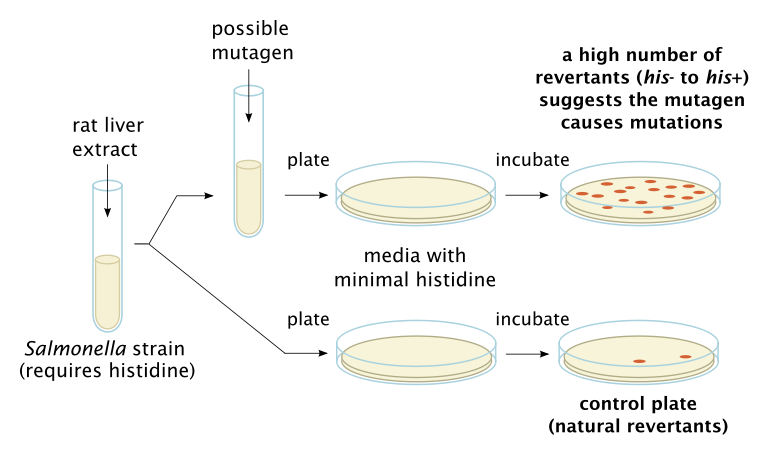
Furthermore, Dr. Ames estimates that we consume 5,000 to 10,000 different natural pesticides every day, many of which cause cancer when tested in lab animals. Dr. Ames then pens quite possibly the best paragraph ever written in the scientific literature:
"[R]odent carcinogens are present in the following foods: anise, apple, apricot, banana, basil, broccoli, Brussels sprouts, cabbage, cantaloupe, caraway, carrot, cauliflower, celery, cherries, cinnamon, cloves, cocoa, coffee, collard greens, comfrey herb tea, currants, dill, eggplant, endive, fennel, grapefruit juice, grapes, guava, honey, honeydew melon, horseradish, kale, lentils, lettuce, mango, mushrooms, mustard, nutmeg, orange juice, parsley, parsnip, peach, pear, peas, black pepper, pineapple, plum, potato, radish, raspberries, rosemary, sesame seeds, tarragon, tea, tomato, and turnip. Thus, it is probable that almost every fruit and vegetable in the supermarket contains natural plant pesticides that are rodent carcinogens. The levels of these... rodent carcinogens in the above plants are commonly thousands of times higher than the levels of synthetic pesticides." [Emphasis added]
Do you cook your food? That produces cancer-causing toxins, too. Do you like coffee? That’s a boiling hot cup of rodent carcinogens. It must be kept in mind that for every scary synthetic pesticide man has created, Mother Nature has created something worse. And you probably eat it regularly.
However, if you still insist on eliminating all pesticides from your diet, there is one thing you can do: Stop eating.
Source: Bruce Ames, Margie Profet, Lois Gold. “Dietary pesticides (99.99% all natural).” PNAS 87: 7777-81. Published: October 1990.